
Toxic algae will be monitored in Wairarapa Moana this summer to ensure the water is safe for recreational activities. Greater Wellington Regional Council’s summer monitoring programme tests the quality of waterways around the region and issues warnings when toxic algae levels are high.
If water with toxic algae in it is swallowed, it can make both people and animals very sick and potentially cause death. Inhaling water aerosols (through splashing) or direct contact with skin can also cause issues such as respiratory issues and skin irritations. Toxic algae presents the greatest risk to children, pregnant people and the elderly.
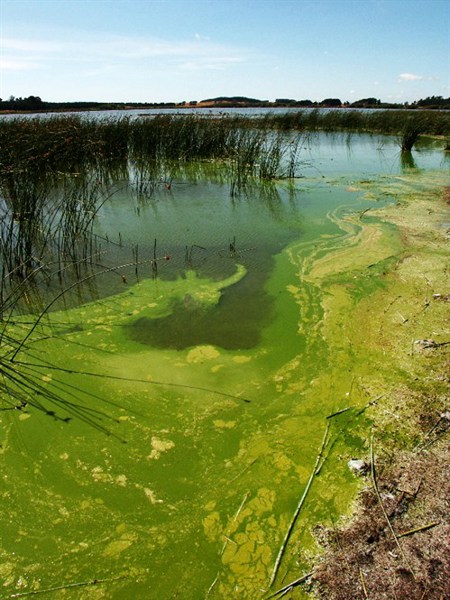
Toxic algae in lakes looks very different to what we see in rivers.
Lake algae
- Toxic algae is free floating in the water and can cause a murky or bright green ‘pea soup’ appearance.
- Bright green or brown scum may accumulate at the lake edge.
- Do not swim or let your dog into the water.
- Do not collect or eat shellfish from the lake.
- Fish caught from the lake are safe to eat, as long as they are cleaned well and gutted. (Dispose of the guts safely so that animals cannot scavenge them).
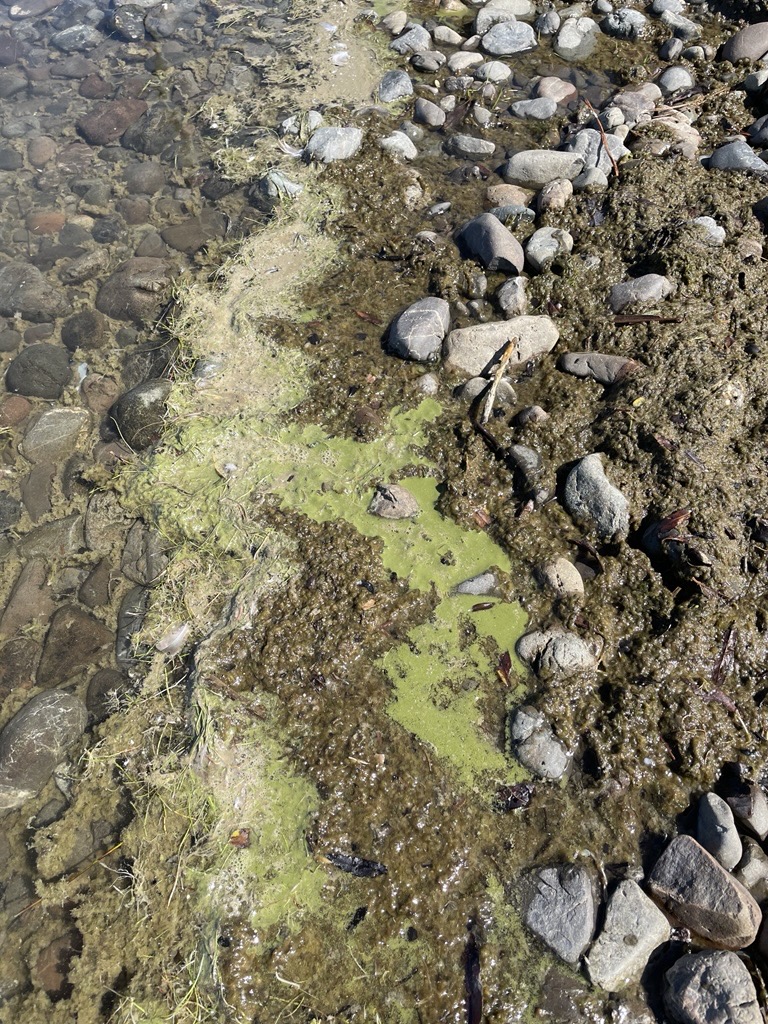
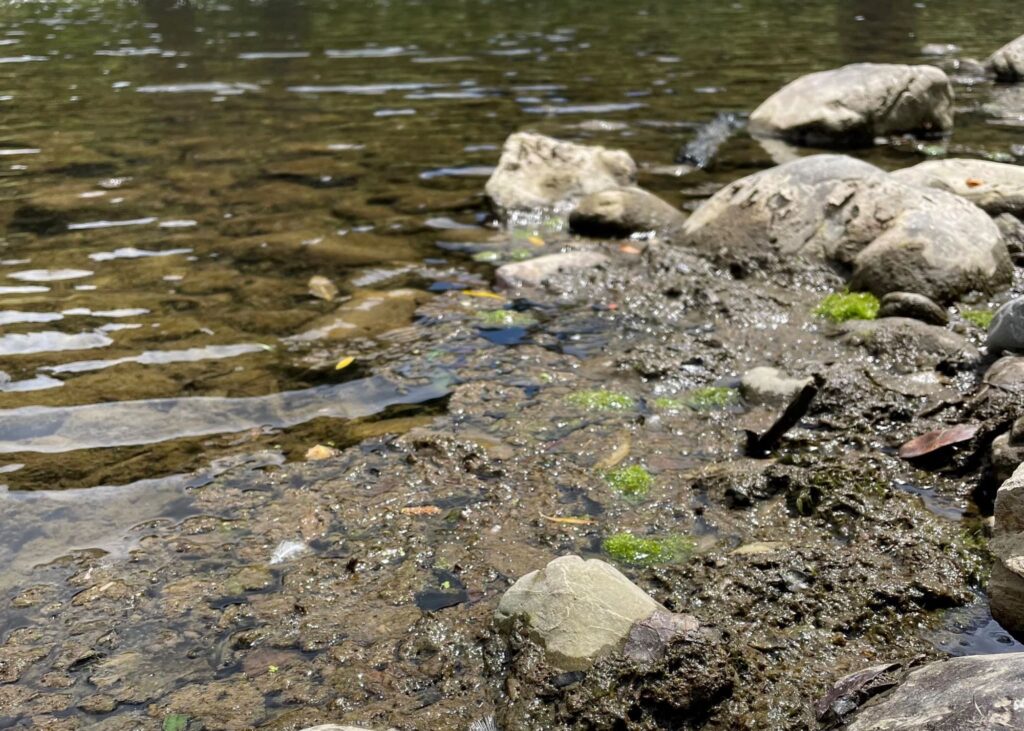
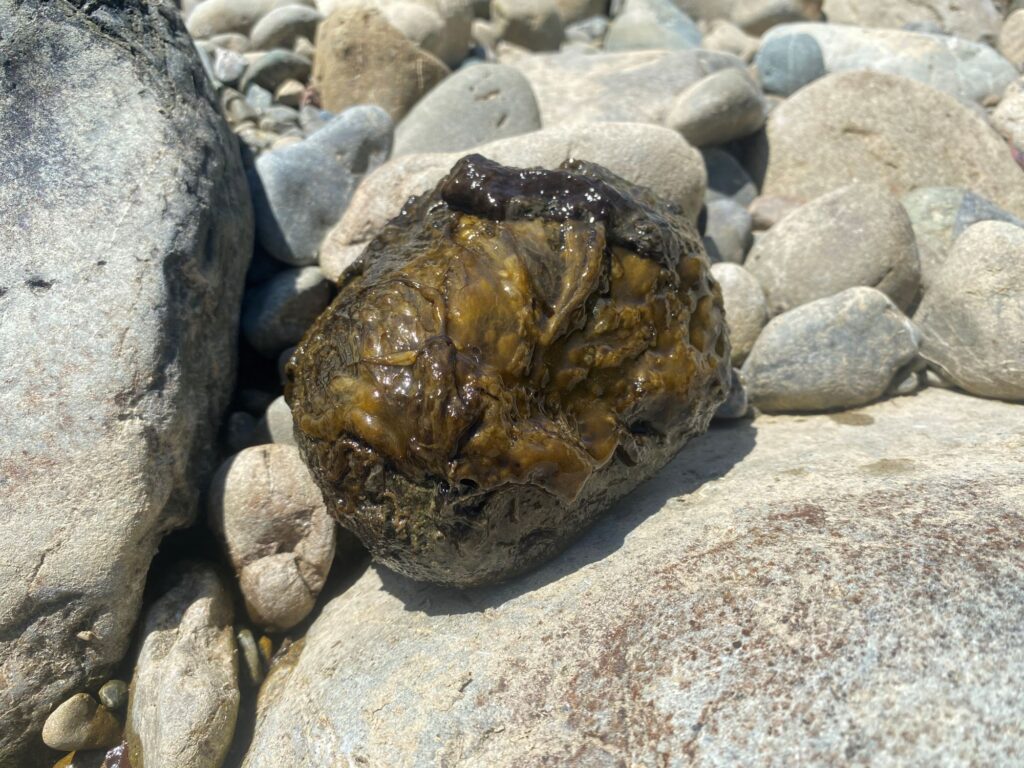
River algae
- Toxic algae grow on rocks in the riverbed and form leathery dark green or black mats.
- Mats can wash up on the riverbanks, where they dry out and turn light brown and crusty.
- Toxic algae mats have a musty smell that’s particularly appealing to dogs.
- If an alert has been issued, dogs should be kept on a lead.
- Don’t let dogs scavenge at the riverbanks or let them roll in algal mats.
- It only takes a mat the size of a 50c coin to kill a dog if eaten.
Wairarapa Moana will be monitored weekly by student interns working with Greater Wellington, along with the usual river sites around the region.
The data will be available on the Land Air Water Aotearoa (LAWA) website.
‘Kia tūpoto – Warning’ signs will be put out at the lake at several locations in case of a major bloom/high levels that make the water unsafe for human or animal contact.
Alerts will be posted on Greater Wellington’s social media (link to Facebook) and website.
Always check it’s safe to swim before you visit a river, beach or lake at LAWA.
For more information on toxic algae, visit Greater Wellington. https://www.gw.govt.nz/environment/freshwater/swimming-water-quality/toxic-algae/